
Optimal Timing for Land Clearing
Land clearings are most effective when conducted during specific times of the year to optimize results and minimize disruptions. The timing depends on weather conditions, soil moisture levels, and land use objectives. Proper timing ensures efficient removal of vegetation and reduces the risk of erosion or regrowth.
Spring is ideal for land clearing before the growing season begins, allowing for better soil preparation and planting.
This period offers dry conditions that facilitate easier removal of debris and less soil disturbance.
Winter is generally unsuitable due to wet, frozen ground, which can hinder equipment operation and cause soil damage.
Timing should align with local weather patterns to prevent delays caused by heavy rain or snow.

Ways to make Land Clearings work in tight or awkward layouts.
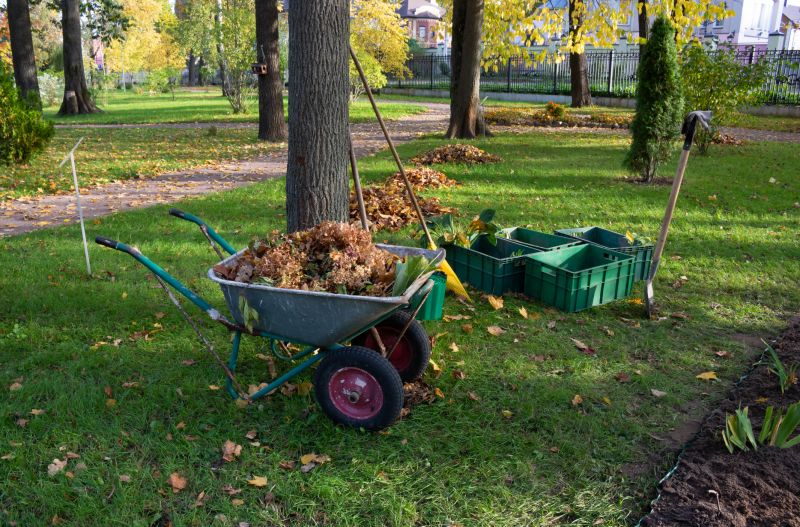
Popular materials for Land Clearings and why they hold up over time.
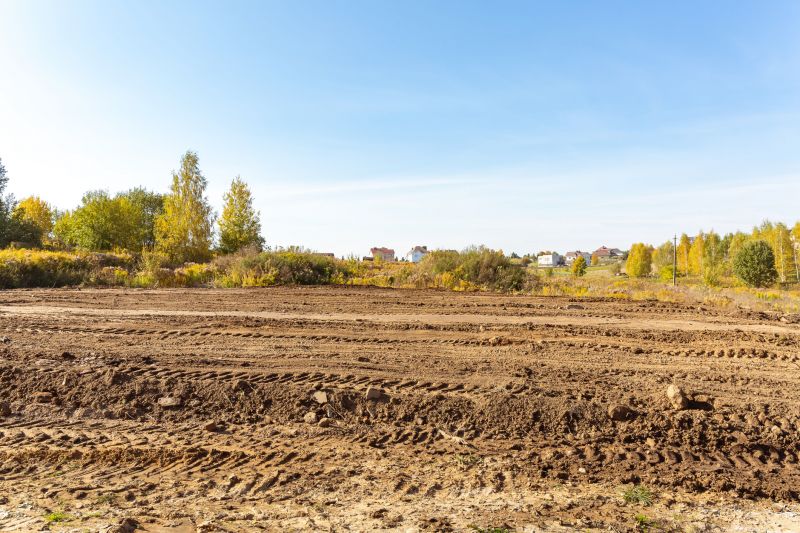
Simple add-ons that improve Land Clearings without blowing the budget.
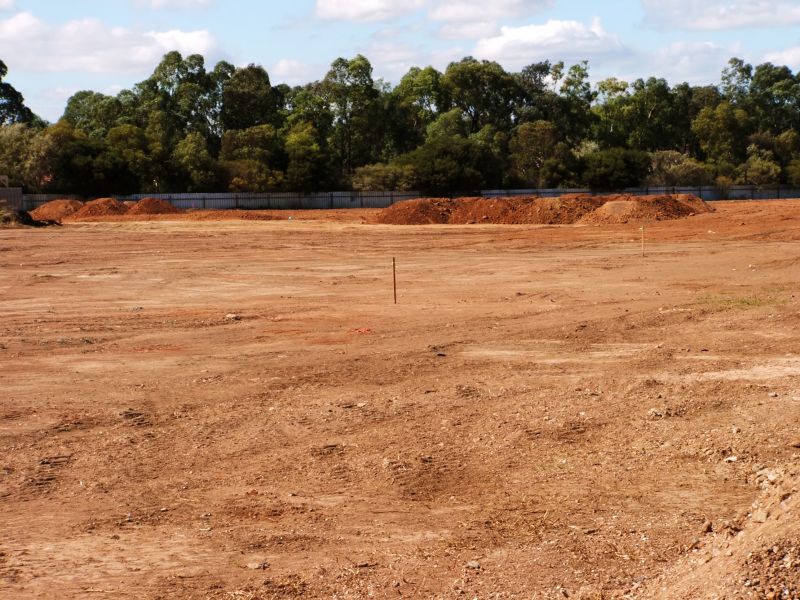
High-end options that actually feel worth it for Land Clearings.

Finishes and colors that play nicely with Land Clearings.

Little measurements that prevent headaches on Land Clearings day.
| Season | Best Conditions |
|---|---|
| Spring | Pre-growth season, soil moisture optimal |
| Late Summer | Dry weather, minimal soil disturbance |
| Early Fall | Post-summer dryness, good for debris removal |
| Winter | Wet, frozen ground, unsuitable |
| Fall | Variable, depends on local climate |
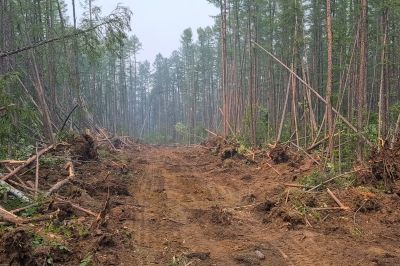
Land clearing involves removing trees, brush, and other vegetation to prepare the land for development, agriculture, or landscaping. It is a crucial step in land management, affecting soil stability and future land use. Proper timing and techniques help prevent soil erosion, control invasive species, and facilitate subsequent land improvements. The process can vary from simple brush removal to extensive tree clearing, depending on project goals.
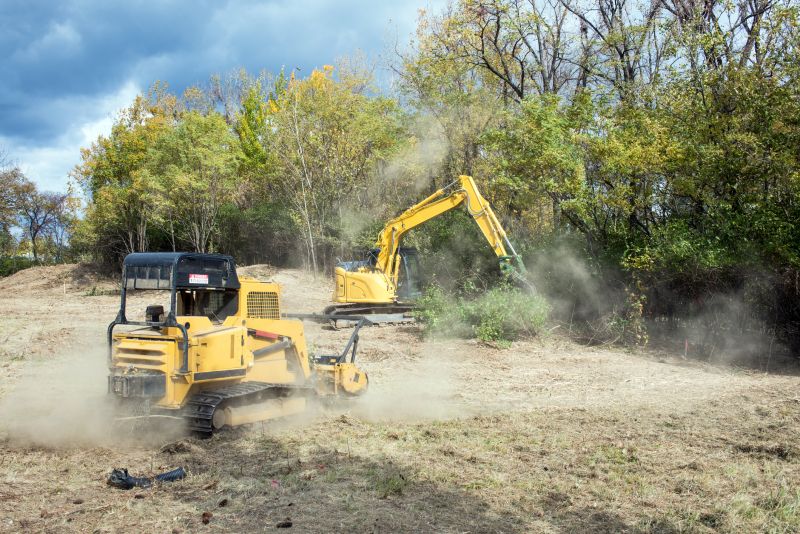
A 60-second routine that keeps Land Clearings looking new.
A frequent mistake in Land Clearings and how to dodge it.
Small tweaks to make Land Clearings safer and easier to use.
Lower-waste or water-saving choices for Land Clearings.
Effective land clearing requires careful planning to select the appropriate timing, equipment, and techniques. It is essential to consider the land's future use, environmental impact, and local regulations. Properly timed land clearing can enhance land value, improve safety, and facilitate construction or agricultural activities.
Interested in land clearing options? Fill out the contact form to get more information and schedule a consultation.